
Hosting an estate sale can be an emotional and logistical challenge, especially if you’re doing it for the first time. Whether you’re downsizing, moving, or handling a loved one’s belongings, this guide will walk you through every step of the process—from planning to clean-up. Let’s dive into how to have an estate sale that’s successful, stress-free, and profitable
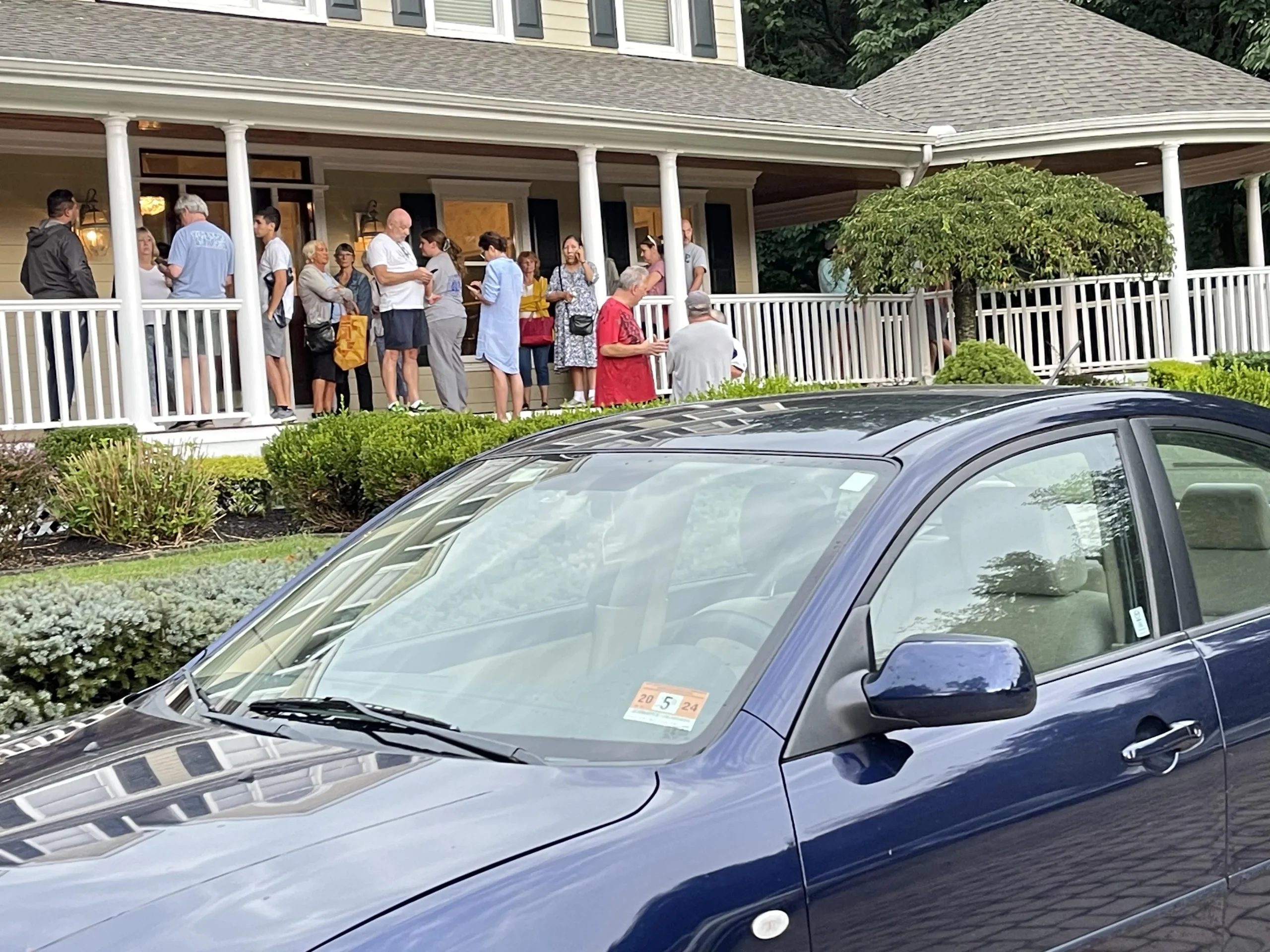
What Is an Estate Sale?
An estate sale is a public sale of personal property, often held after someone has passed away, or when a major life transition—like retirement or downsizing—requires selling household items. Unlike garage sales, estate sales typically involve selling most (or all) of a home’s contents and may include antiques, collectibles, art, furniture, and everyday items.
Step 1: Decide Whether to Do It Yourself or Hire Professionals
Start by deciding if you want to manage the sale yourself or hire an estate sale company. Doing it yourself gives you full control and may save on commission, but it demands a lot of time, planning, and emotional resilience.
- DIY Pros:
Keep all profits, full control of pricing and layout. - DIY Cons:
Time-consuming, emotionally draining, requires marketing. - Hiring Pros:
Expert pricing, professional setup, built-in audience. - Hiring Cons:
Commission fees (typically 25–40%), less control.
Want to skip the stress? Contact our estate sale professionals to handle everything for you.
Step 2: Inventory and Price Your Items
Start by going room to room and listing everything that will be for sale. Group items by category—furniture, kitchenware, decor, electronics, etc. Then, research market values using eBay, Craigslist, or local estate sale listings.
- Use color-coded stickers or tags with prices.
- Bundle smaller items to increase perceived value.
- Mark items clearly as “Not for Sale” if needed.
Step 3: Advertise Your Estate Sale
Marketing is key to a successful turnout. Use multiple platforms to reach a wider audience:
- Post in local Facebook groups and Craigslist.
- Put up clear, well-placed signs with address and dates.
- Include eye-catching photos of high-value items.
Step 4: Prepare the Home
Make sure the home is clean, safe, and shopper-friendly:
- Remove trip hazards and personal documents.
- Organize items attractively in each room.
- Secure or block off rooms not included in the sale.
- Set up a checkout station with bags and change.
Step 5: Manage the Sale Day
On the day of the sale, be ready early—shoppers often arrive before opening. Assign helpers or family members to supervise rooms, handle payments, and assist customers. Stay alert for theft and be flexible with prices near the end of the day.
Step 6: What to Do with Unsold Items
Once the sale ends, decide how to handle remaining items:
- Donate to local charities or thrift stores.
- List valuable items online (Facebook Marketplace, eBay).
- Contact a clean-out service for bulk removal.
- Consider a follow-up “50% off” day if volume is high.
How to Have an Estate Sale NJ: Common Mistakes to Avoid in an Estate Sale
- Underpricing valuables: Consult an appraiser for antiques or collectibles.
- Poor signage: Fewer signs mean fewer visitors.
- Lack of organization: Clutter reduces buyer interest.
- No help: Running a sale alone is overwhelming.
- Forgetting security: Watch out for small item theft.
How to Have an Estate Sale NJ: FAQs About Estate Sales
How long should an estate sale last?
Most last 1–3 days. Weekends tend to attract more buyers.
What if I don’t want strangers in my home?
Consider a private appointment-based sale or online estate sale platforms.
Can I sell vehicles in an estate sale?
Yes! Just ensure titles are available and vehicles are ready to show.
Do I need a permit for an estate sale?
Check local regulations—some towns require a temporary sale permit.
Need Help With Your Estate Sale?
Feeling overwhelmed? Let JKB Timeless Treasures handle the process for you. We offer professional, compassionate estate sale services with years of experience in handling delicate transitions. for a free consultation and let’s make your sale a success.